Good design is not a matter of taste. It is a matter of process
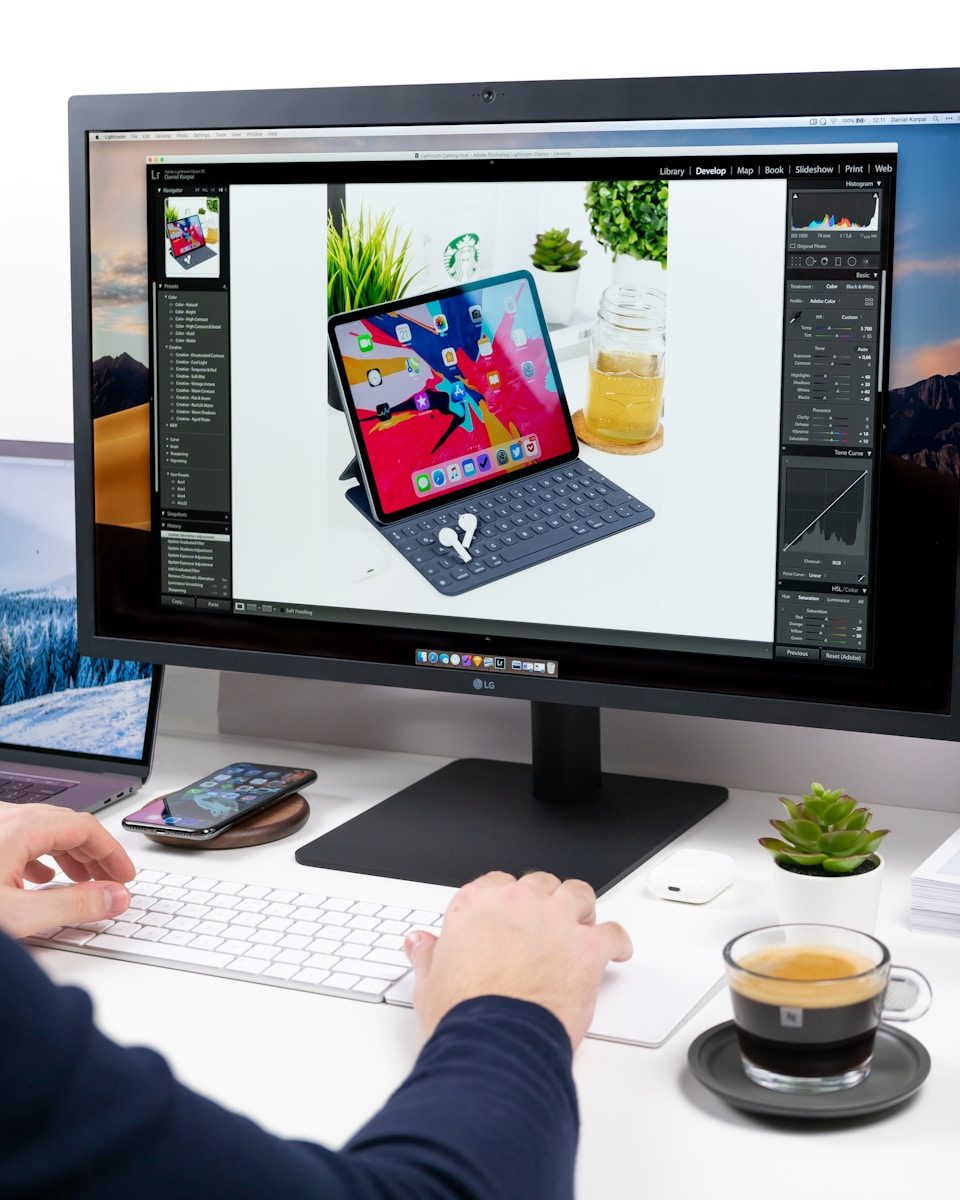
YSF Designs handles brand identity, website design, graphics, and UI/UX for businesses that want their visuals to work as hard as the rest of their operation. No mood boards without direction. No revisions without reason.
Logo, color system, typography, and usage guidelines. Everything a business needs to show up consistently across every platform and print format, built from scratch or rebuilt from what already exists.
Page layouts, wireframes, and visual design for WordPress, Shopify, custom builds, and landing pages. We design with the developer in mind so what gets built matches what was approved.
Marketing materials, social media creatives, presentation decks, brochures, banners, and anything else that needs to look right before it goes out. Handled per project or on a monthly retainer
Post templates, story formats, ad creatives, and profile assets built to your brand guidelines. Consistent output so your feed does not look like it was made by five different people.
Why it works
How We Handle Design Quality
Every deliverable from YSF Designs goes through an internal review before it reaches you. That means checking visual consistency, file structure, font and color accuracy, and whether the design actually solves the brief. We do not send first drafts and call them finished work.
Brand compliance checks Every design is checked against your existing brand guidelines or the ones we built for you. Nothing goes out that contradicts your visual identity.
Two-round revision policy Revisions are structured, not open-ended. We take all feedback after round one, implement it fully, and present round two. This keeps the project moving and prevents scope from expanding indefinitely.
File delivery standards You receive properly organized, export-ready files in the formats you need. Print files are print-ready. Web files are optimized. Everything is named and structured so your team or developer can use it without asking us to resend things.
Brief and scope
You tell us what you need, what it is for, who the audience is, and any references you like or hate. Nothing moves forward until we are aligned.
Research and concept
Before anything is designed, we look at your market, your competitors, and your existing assets. Then we build initial concepts based on that context.
Feedback and refinement
You review the concepts and give consolidated feedback. We take that feedback, apply it fully, and return with a refined version. This round is where the design gets finished.
Final delivery
Approved files are packaged and handed over in every format you need, named properly and ready to use. Print, web, social, source files, all included
The YSF difference
Why Design ROI matters
Most businesses treat design as a cost rather than a variable that affects revenue. That thinking makes it hard to justify the spend and even harder to know when something is underperforming. Design ROI is not always a straight line, but it shows up in measurable places if you know where to look.
Conversion rate on key pages If your website or landing page is getting traffic but not converting, the problem is usually layout, hierarchy, or trust signals, all design decisions. A well-structured page with clear calls to action consistently outperforms a cluttered one, regardless of how much is spent on ads driving traffic to it.
Time spent on collateral If your team is spending hours reformatting presentations, resizing graphics, or recreating assets from scratch every time, that is a design infrastructure problem. Proper templates and a documented brand system cut that time down significantly.
Consistency across touchpoints A business that looks different on its website, its social media, its email, and its printed materials is harder to trust. Not because any single asset looks bad, but because inconsistency signals that nobody is paying attention. Consistency builds familiarity, and familiarity builds trust over time.
Bad design is not free. It just bills you later.
Inconsistent branding, an outdated website, or graphics that look rushed all have a cost. They just do not show up as a line item. They show up in the impression you leave on every person who sees your business before they decide whether to trust it.